When it comes to tiling the living room there are a lot of different considerations to take into account, including the colour, size, pattern and style. However, you should not overlook the impact of the tiling layout. The layout can make a huge difference to the aesthetic design of the living room overall, as well as the perception of space. So what are the effective tiling layout options for living rooms? And which option would best suit your space?
What are the most effective tiling layout options for living rooms?
There are a number of effective options for your living room tiling layout. These options include:
- Straight lay tiling
- Diagonal lay tiling
- Herringbone
- Basket weave tiling
- Brick bond layout
Straight lay tiling
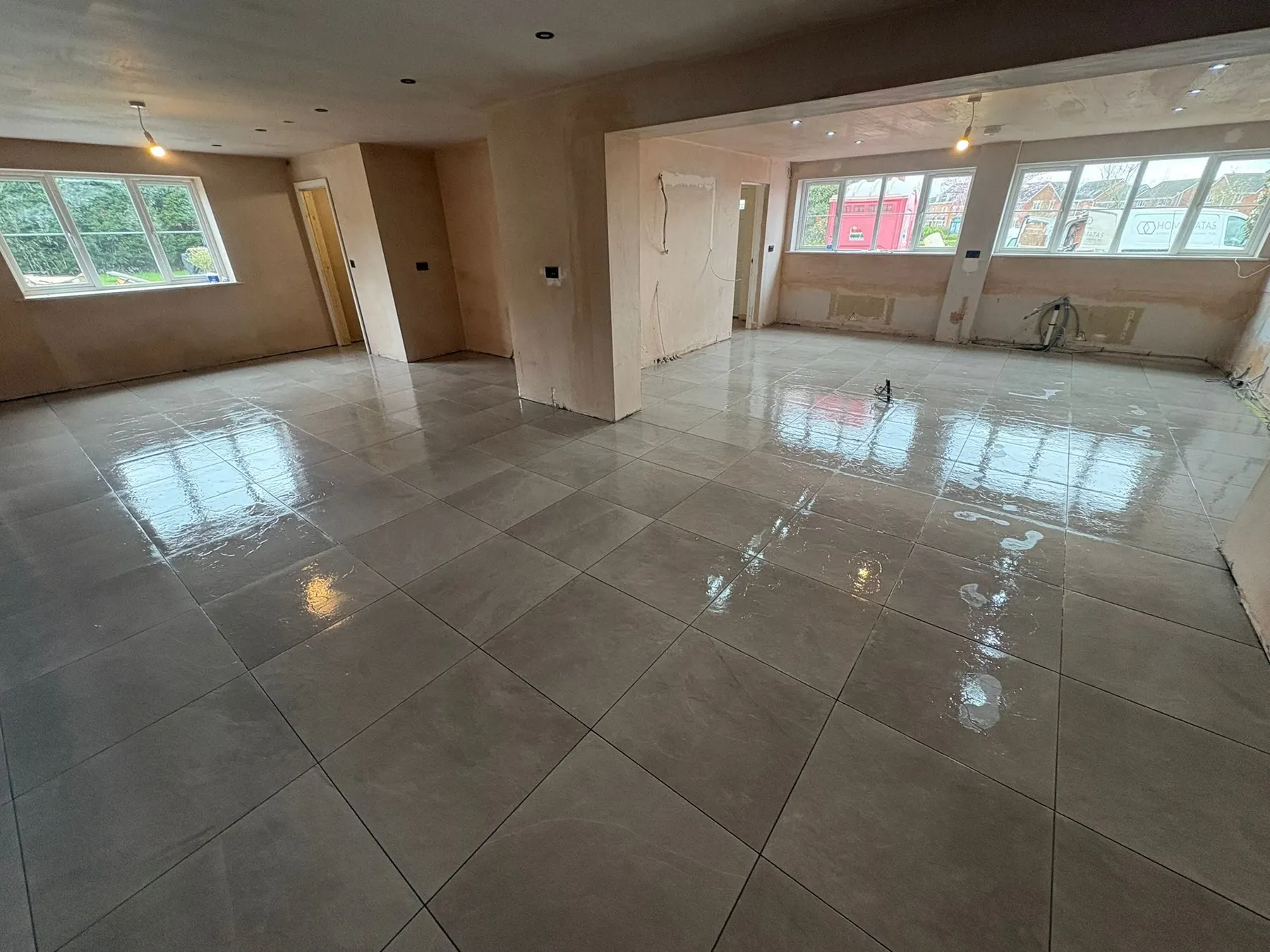
One of the most common tiling layouts used for the living room is the straight lay tiling layout. This is also known as the grid layout, as this aligns the tiles in a straight line, with each tile lined up with the next. This can create a clean and well ordered look, and works very well in both large or small rooms, and with a wide range of tiles. This is particularly effective for smaller living rooms, as this tiling layout can make the space feel larger and more open. Additionally, using grout in a contrasting colour can add a modern twist to this classic pattern, creating contrast and visual interest.
Diagonal lay tiling
A slight variation from the straight lay layout, the diagonal layout involves installing the tiles at a 45-degree angle. This layout creates a dynamic and sophisticated look, adding visual interest and making the room appear larger. It’s ideal for traditional and rustic interiors, especially when paired with stone or timber effect tiles.
Herringbone tiling
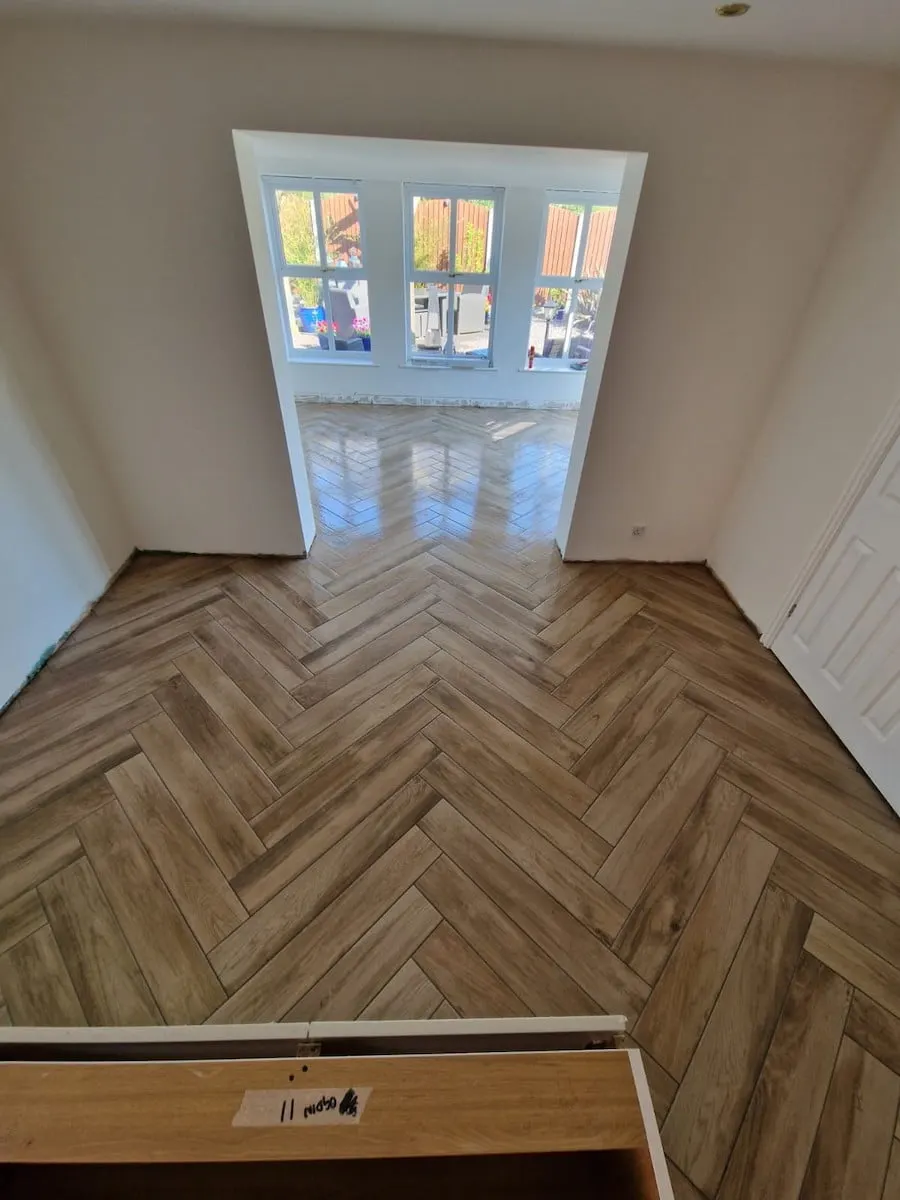
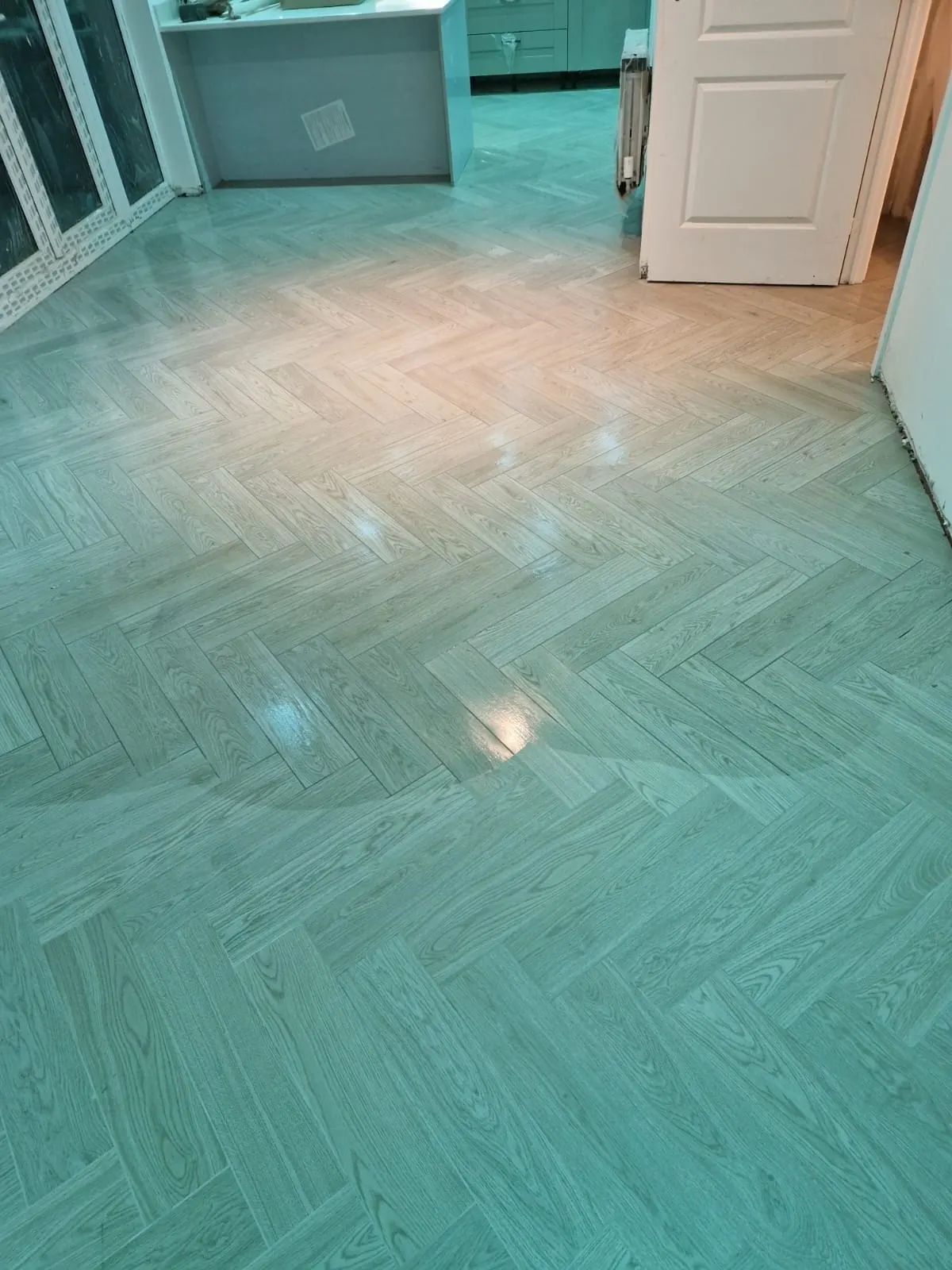
Another popular tiling layout option is the herringbone layout. This can be highly effective for adding a touch of elegance and complexity to the living room. This pattern involves laying rectangular or subway style tiles in a zigzag pattern. This can create a bold visual statement and draw the eye, making it the perfect choice for a feature wall in your living space.
Basket weave tiling
For a more intricate layout option, the basket weave pattern mimics the look of woven fabric, using rectangular tiles arranged in pairs or sets to create a grid-like design. This layout is often used to introduce a touch of traditional charm and texture to a living room. It works well with both classic and modern interiors, depending on the tile material and colour. Basket weave can be particularly attractive with two-tone tiles, enhancing the woven effect and adding depth to the floor.
Brick bond tiling
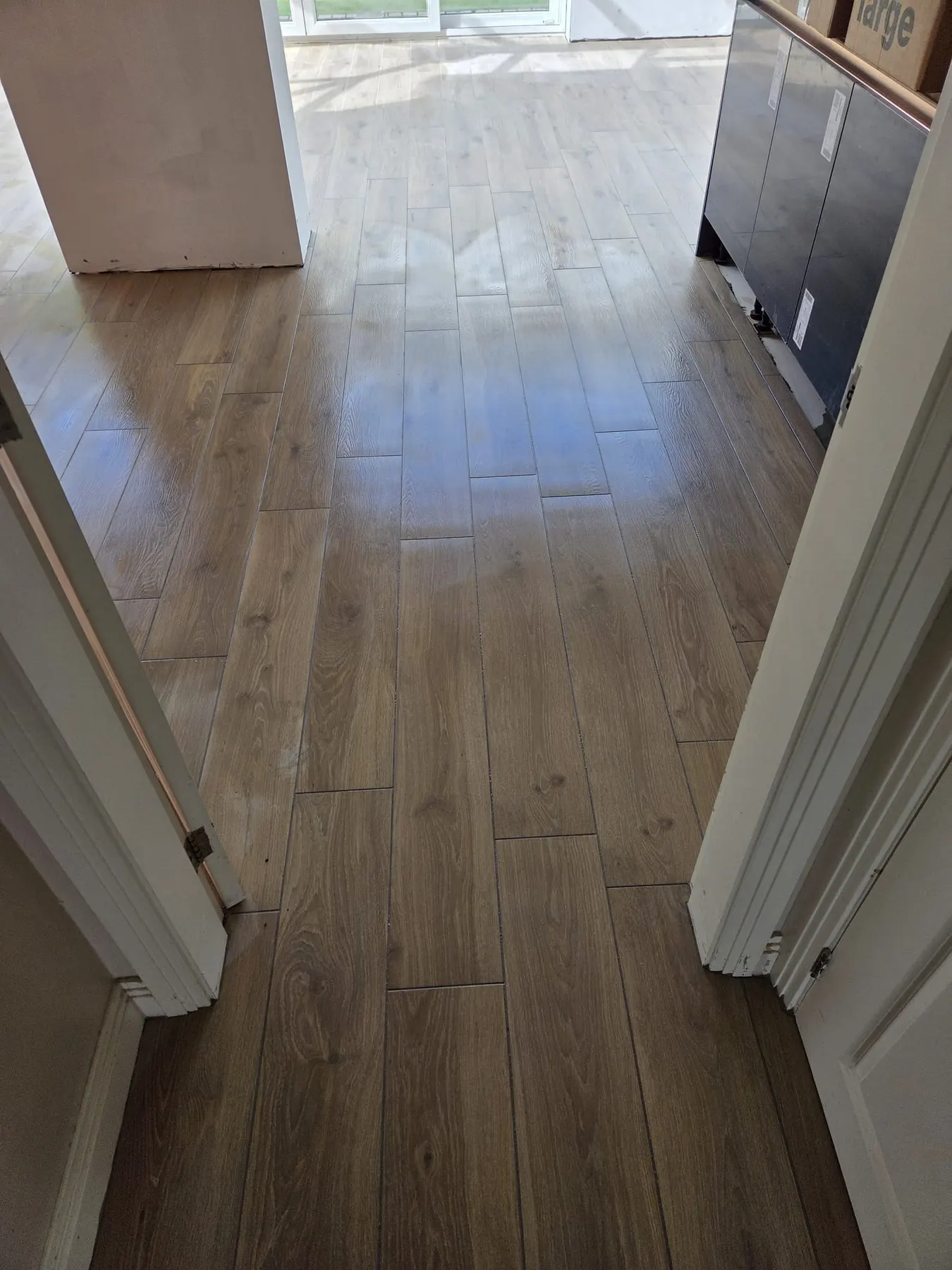
Finally, brick bond tiling is also a great option for any living room. This is a tiling layout that involves offsetting each row of tiles by half the width of a tile, creating a staggered effect similar to traditional brickwork. This can be highly effective for both floors and walls.